





About us
澳洲幸运5体彩网 - 168官方开奖结果查询、历史记录与号码预测分析

Lifetime warranty
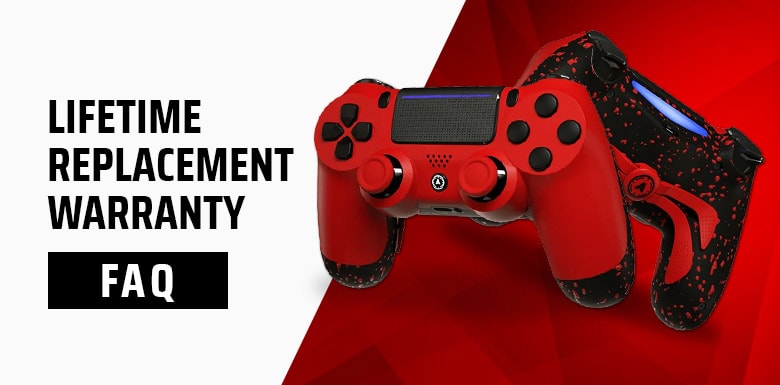
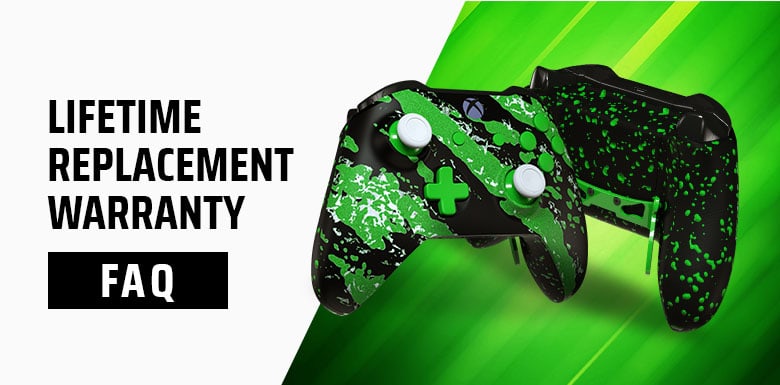
By choosing AimControllers, you can count on products that last a lifetime. Our industry leading lifetime warranty means the end of worrying about controller issues. AimControllers has you covered!

Original, high-quality controllers
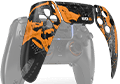
Only one thing in our controllers isn’t hand built – the controller itself. At AimControllers we only use officially licensed Sony & Xbox controllers as a base. As gamers ourselves, we ensure the quality of parts and construction are always top notch!

Over 100000 design combinations
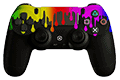
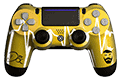
Express yourself! Stand out against the status quo and create something unique. AimControllers is always on the cutting edge of technology enabling you to create the controller of your dreams.

Designed and manufactured in Europe
AimControllers is a leader in providing fully modified and original controllers built in Europe. Take your gaming to the next level using the most powerful equipment.
澳洲幸运5开奖结果查询_168官方历史开奖记录_澳彩预测
Check what other players like
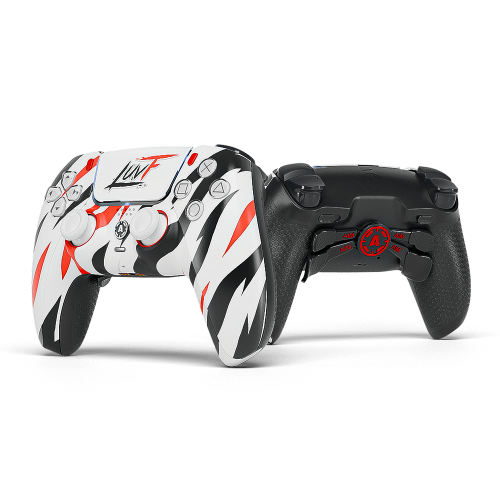
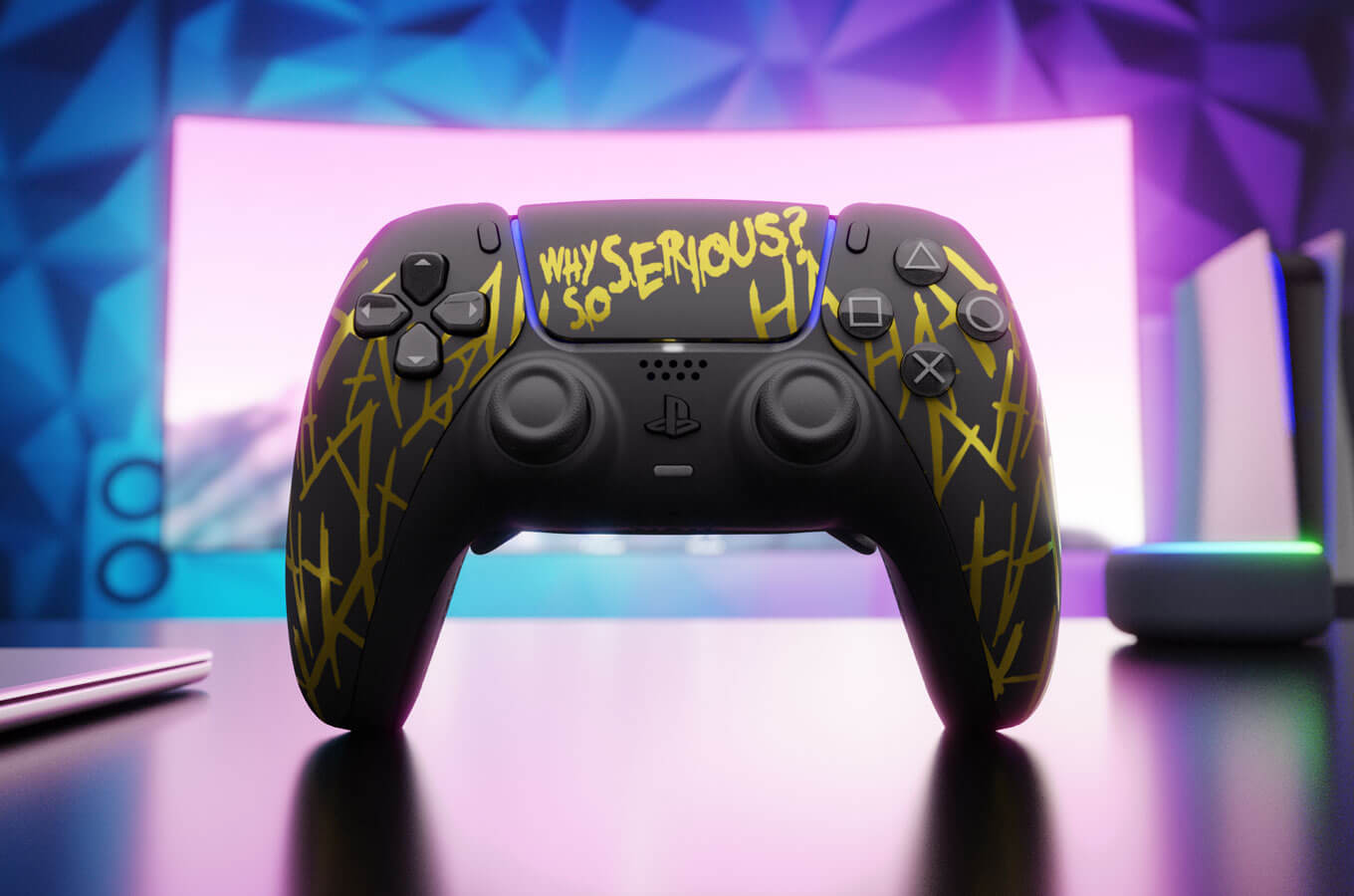
Price range: 139,00€ through 305,00€
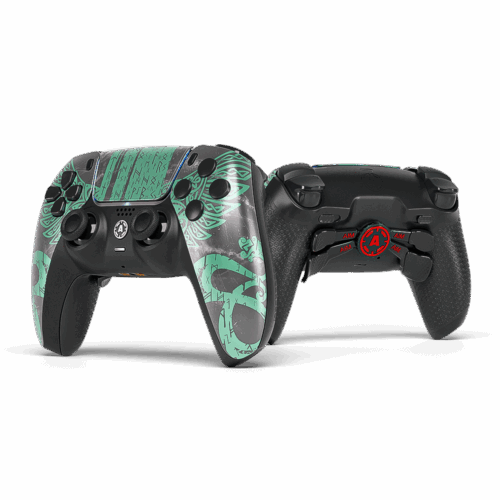
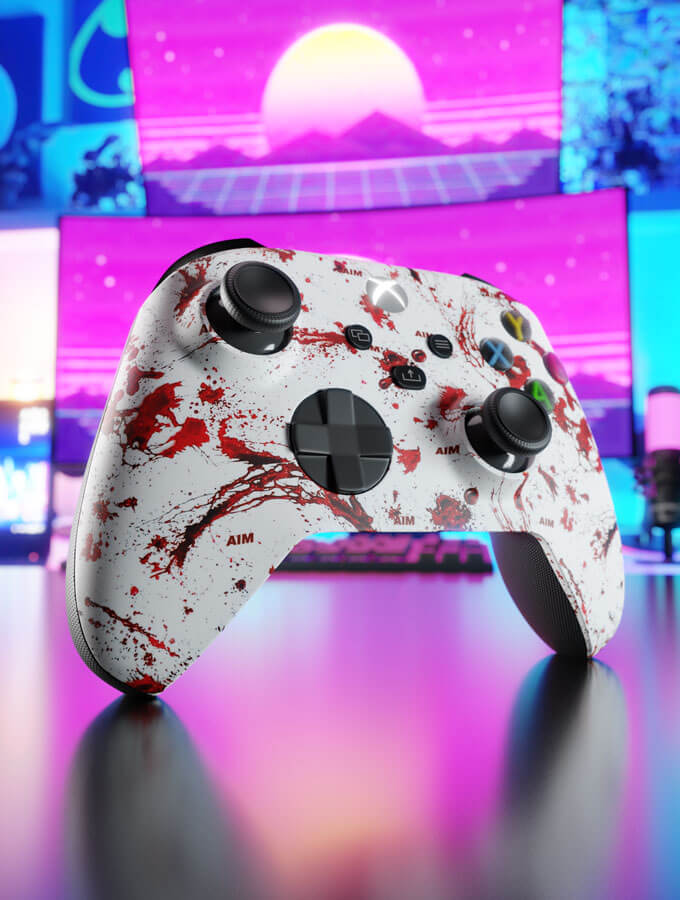
Price range: 139,00€ through 305,00€
Sale!
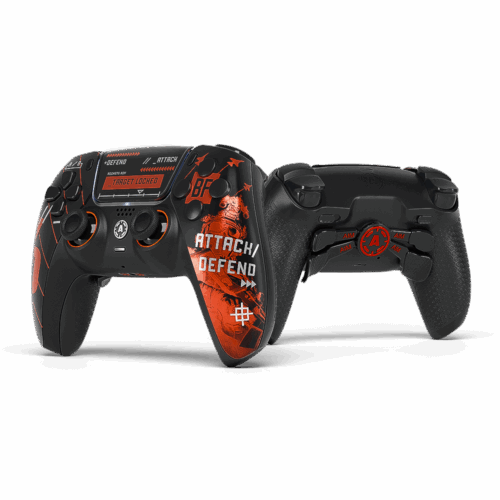
Price range: 119,00€ through 179,00€
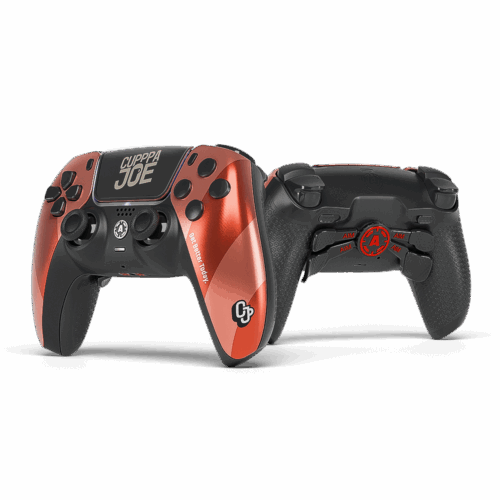
Price range: 139,00€ through 305,00€
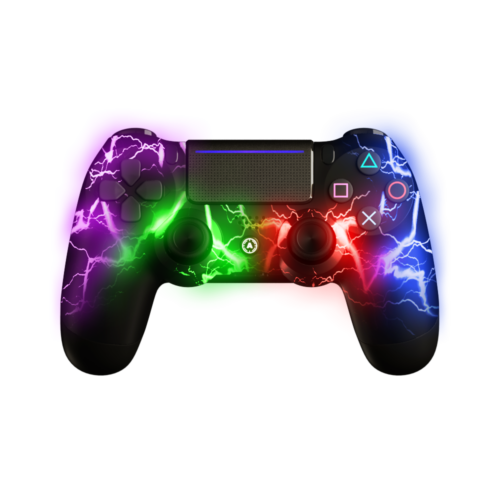
139,00€
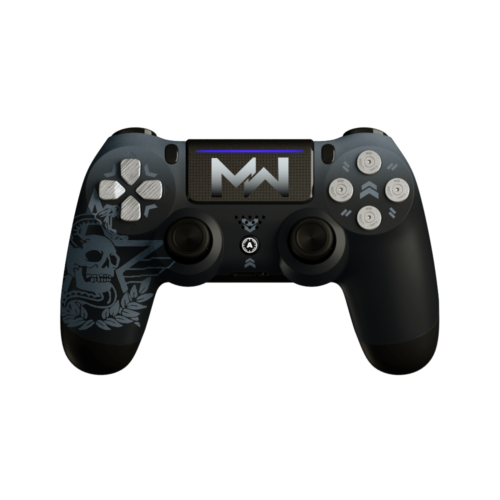
129,00€
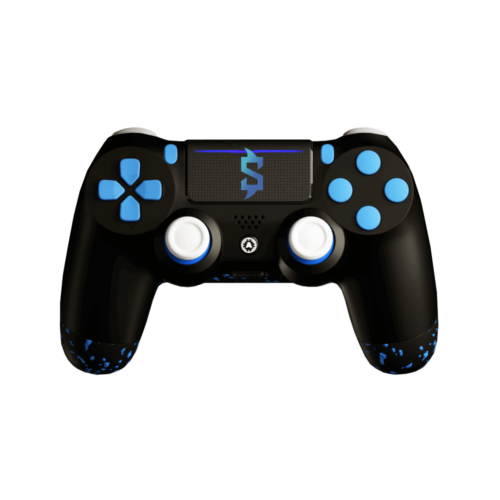
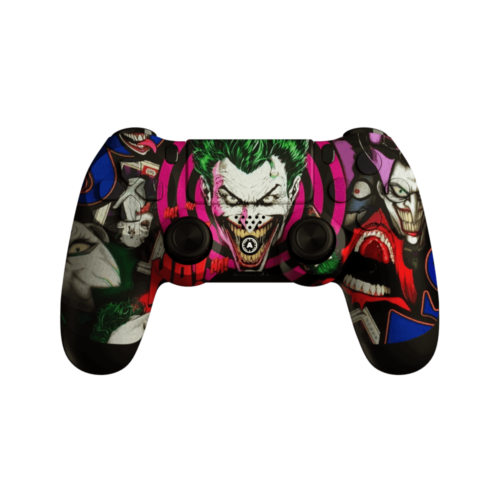
119,00€
XBOX CONTROLLERS
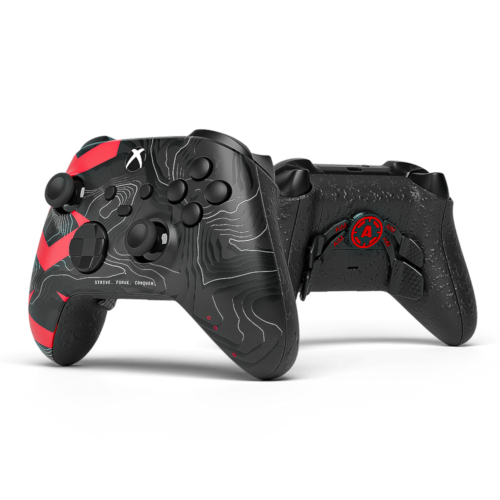
Price range: 109,00€ through 234,00€
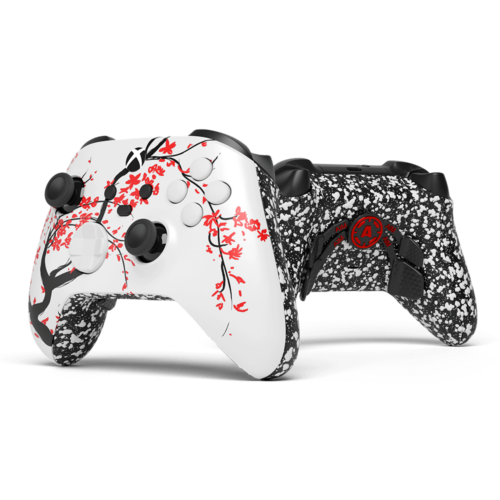
Price range: 109,00€ through 199,00€
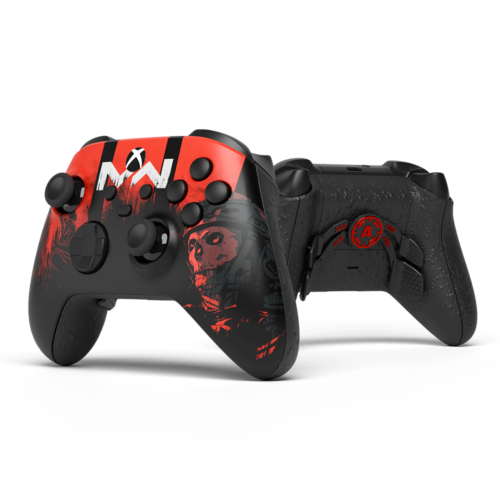
Price range: 109,00€ through 199,00€
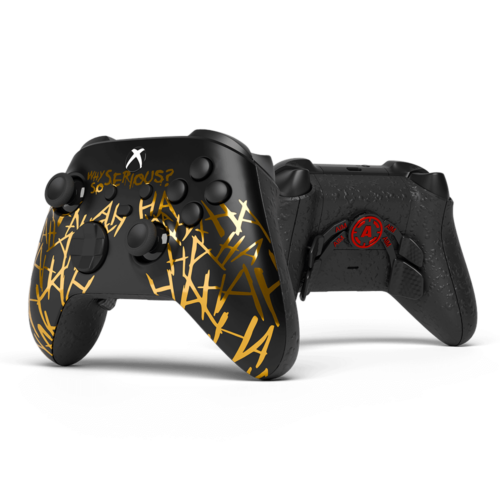
Price range: 109,00€ through 199,00€


Wenn der Controller zum Auto passt 🙌🏼🤤
#unnecessarybutcool
Ich hatte euch ja bereits berichtet, dass für Phipsi und mich jeweils ein neuer Controller eingezogen ist, da bei uns beiden der SCUF Impact langsam den Geist aufgegeben hat. Meiner hat von innen geklappert (huch, Evtl zu oft auf den Tisch genauen 🙄) und Philips Trigger war kaputt.
Ich hab mich für ein weiß-schwarz-goldenes Design entschieden.
Bisher bin ich mit dem Controller absolut zufrieden, Paddles sind programmiert und Trigger Stops sind schon jetzt nicht mehr weg zu denken 🤓
Natürlich wollte ich das gute Stück mit euch teilen.
Solltet ihr Fragen zum Controller haben, wieso ich auf Paddles nicht mehr verzichten kann, ob ihr soeinen braucht oder ob der gewöhnliche es nicht auch „tut“, was Trigger Stops sind usw, immer her damit.
Die Polin berät auch gern!
.
#aimcontrollers #ps4 #playstation #gaming #rainbow6siege #scuf #scuffcontroller #carporn #volkswagen #videogames #gamergirl #borbet #borbetgtx

The video’s up. make sure to enter the giveaway for a chance to win one of these controllers #ps4controllersgiveaways #giveaway #ps4 #ps4controller #youtubegiveaway #freecontroller #stevescriber #freegiveaways #gamers #gameing #gaming #gamingpc #gaminggiveaway #freegame #subscriptionbox #stevethegamer55 #freecontroller #swag #swagger #swaggame #youtubers #youtubegamer #youtubegaming #youtubeblack #youtubechannel #youtubegiveaway #aimcontrollers

aimcontrollers #custom #PlayStation5 #DuelSense #controller #AimControllers #PS5 /ad

Taki o to prezent dostałem od aimcontrollers 😎🎮 jak chcecie zrobić komuś mega prezent polecam ich odwiedzić 😉
Więcej na moim kanale Youtube 😎
#pad #aimcontrollers #ekipaptycha #gamer #streamer #youtuber #ptyś

Good morning everyone, I hope you all have a great day.
Your LuckyTree
#callofdutymobile #callofduty #ps4 #playstation4 #gaming #setup #quickscope #youtube #gamer #aimcontrollers #followforfollowback #follow4followback #callofdutymodernwarfare
#cod #codmobile #newtoinstagram #likeforlikes #ps5

Drop in to your favorite Battle Royal with only the best 🎮🏆
#aimcontrollers #gaming #camo #battleroyal #ps5 #ps4 #playstation #custom #videogames #cod #warzone #fortnite #valorantgame #apexlegends #roguecompany

Have you used code FALL40 for $40 off your custom PS5 Controller yet❓
#aimcontrollers #custom #gaming #ps5 #playstation

🇩🇪 Da ist der neue Controller von meinem Sohn. Ich durfte ihn mir für paar Bilder ausleihen und gestern Abend damit zocken. Er ist von der Firma aimcontrollers und nach schneller Eingewöhnung muss ich sagen es macht echt Bock mit einem Scuf zu zocken. •
Team normal oder Team Scuf?
•
•
•werbung•

Wow. I actually cannot believe this is mine! My very own custom aimcontrollers controller! Complete with my gaming logo.
____________________
____________________
Could not be happier with how this has turned out and considering it was custom built it came in really good time too! Big shout out to my pops for this absolute masterpiece!
____________________
____________________
Testing it out tonight live on stream at 6.30pm! Link in bio!
____________________
____________________
#gaming #gamer #controller #controllergang #pcgamer #twitch #stream #streamer #Affiliate #warzone #codclips #aimcontrollers #aim #stillgrowing #supportsmallstreamers #smallstreamer

aimcontrollers è stata una bella sorpresa di quest'anno.
Un'azienda seria, un prodotto valido, che avrei dovuto comprare qualche anno fa.
Durante la LIVE di questa sera verranno estratti i vincitori di un Controller PS5 e PS4 Aimcontrollers!
VUAIII!
ph: zanella_productions
#aimcontroller #aimcontrollers #warzone #facebookgaming #esports #goskilla goskilla

[ Unbezahlte Werbung ]
Würdet ihr mir COD Black Ops Cold War empfehlen?
Wer von euch hat es gespielt und wie findet ihr es?
—————————————————————
#brilllips #playstation #style #nerdy #nerdygirl #germanstreamer #ps4gamer #femalegamer #thisisfortheplayers #gamin #consolegaming #gamerforlife #gaming #nerd #twitch #twitchtv #controller #gamergirl #gamerlifestyle #playstationtattoo #playstationgamer #setup #gamingsetup #controllerfreak #customcontroller #aimcontrollers

🇬🇧 The Marvel update is very successful.
•
Who is your favorite Marvel character?
•
🇩🇪 Das Marvel Update ist ja sehr gelungen.
•
Wer ist dein Lieblings Marvel Charakter?
•
Follow derandyzockt 📸
•
Partner of 🎮
gamewarez_relaxed_gaming
smartgrip_official
aimcontrollers
netgames.de
eyracer.at
•
•
Werbung
•
hashtags to Ignore
_________________
Gear UP:澳洲幸运五体彩官方
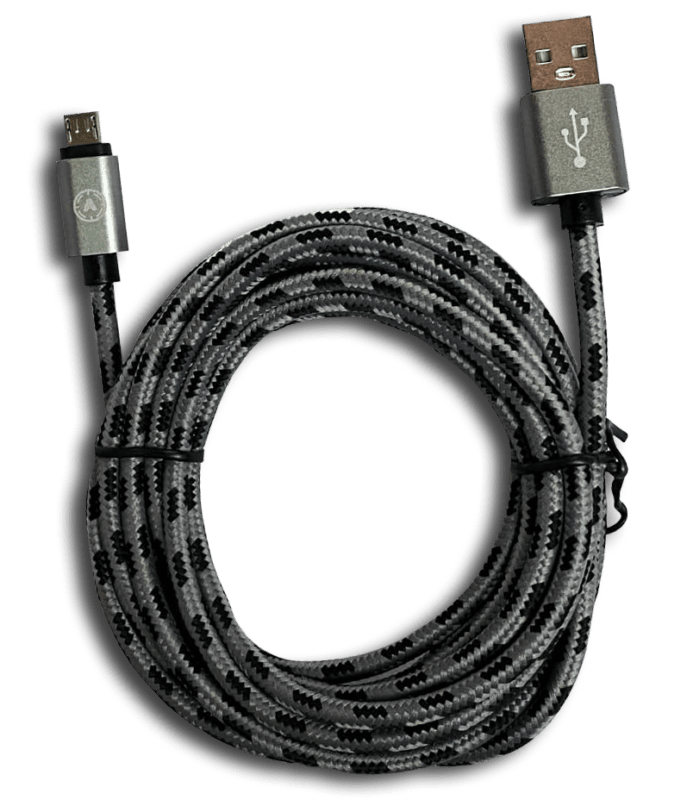
Check our accessories
Playstation 4 and Xbox One accessories including cables, cases and more
BUY NOW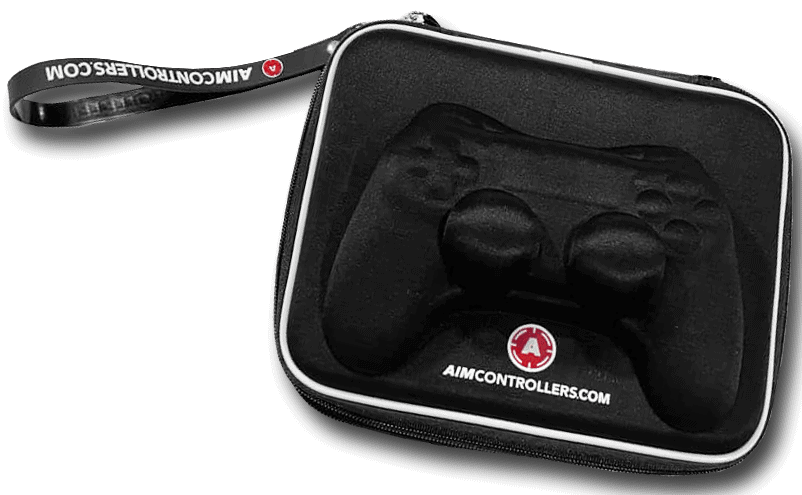
一键查询澳洲幸运5最新的168官方开奖结果与历史数据。澳彩官网同步更新号码走势、冷热分析,并提供专业的预测参考信息,是您可靠的澳洲5资讯站。Do you value the highest quality equipment? Whatever the situation, you always go for the best? Do you have individual style, but functionality and comfort come first? If so, that’s great, because it’s for such connoisseurs that we have created the opportunity to buy and design the best Customizable PlayStation Controller from AimControllers! Would you like to hear the details of our offer? Do you? Then read on carefully.
Customizable PlayStation and 澳洲幸运5彩票(正规体彩官网)官方网 Xbox Controller – unique design for enthusiasts
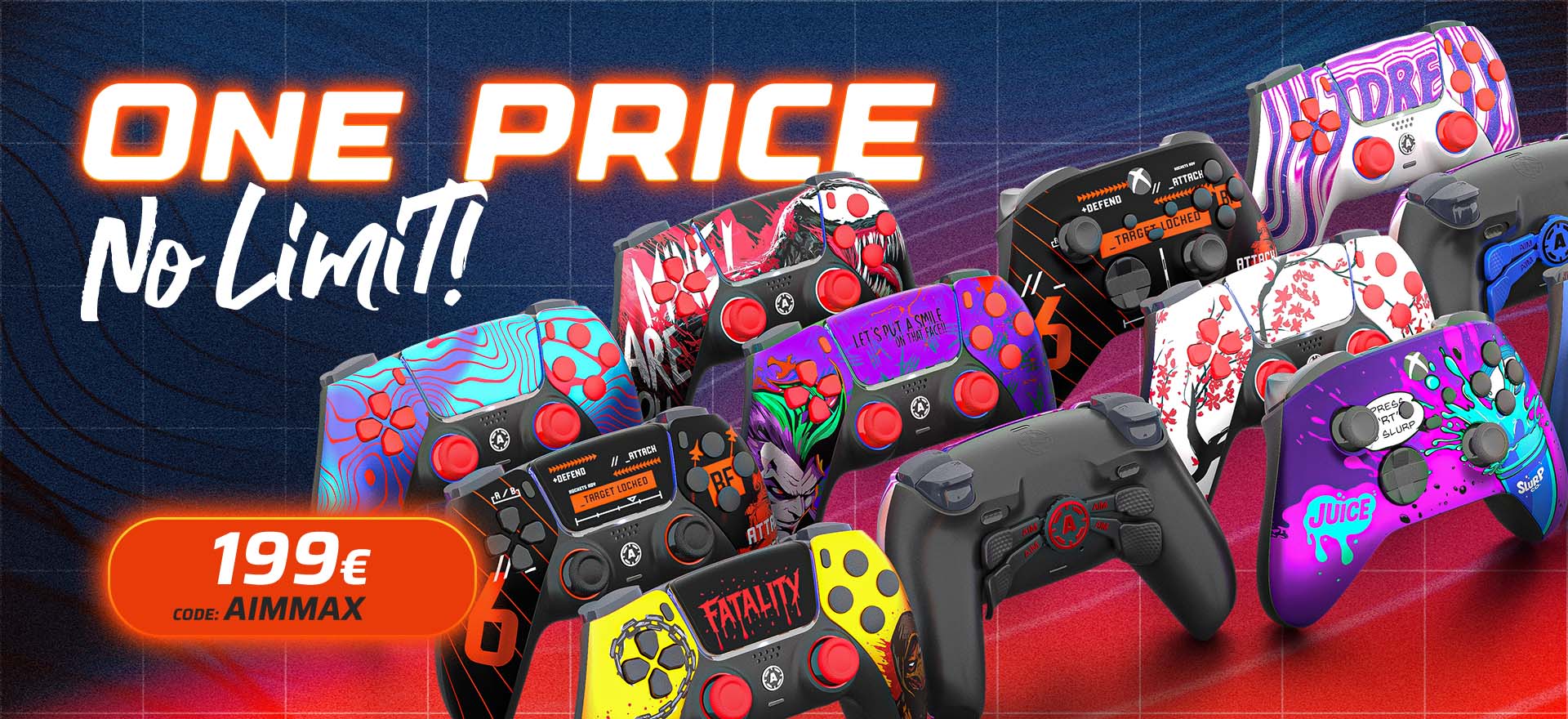
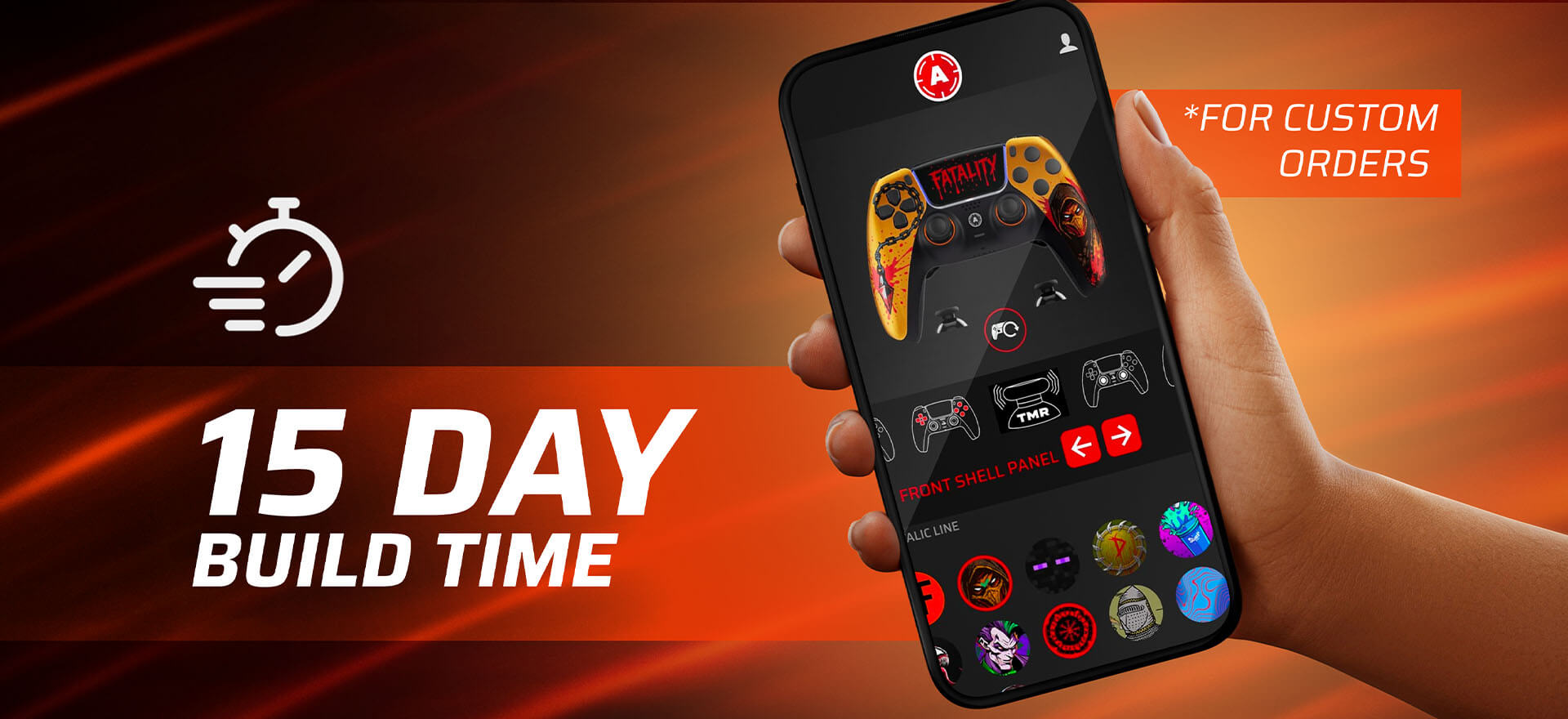
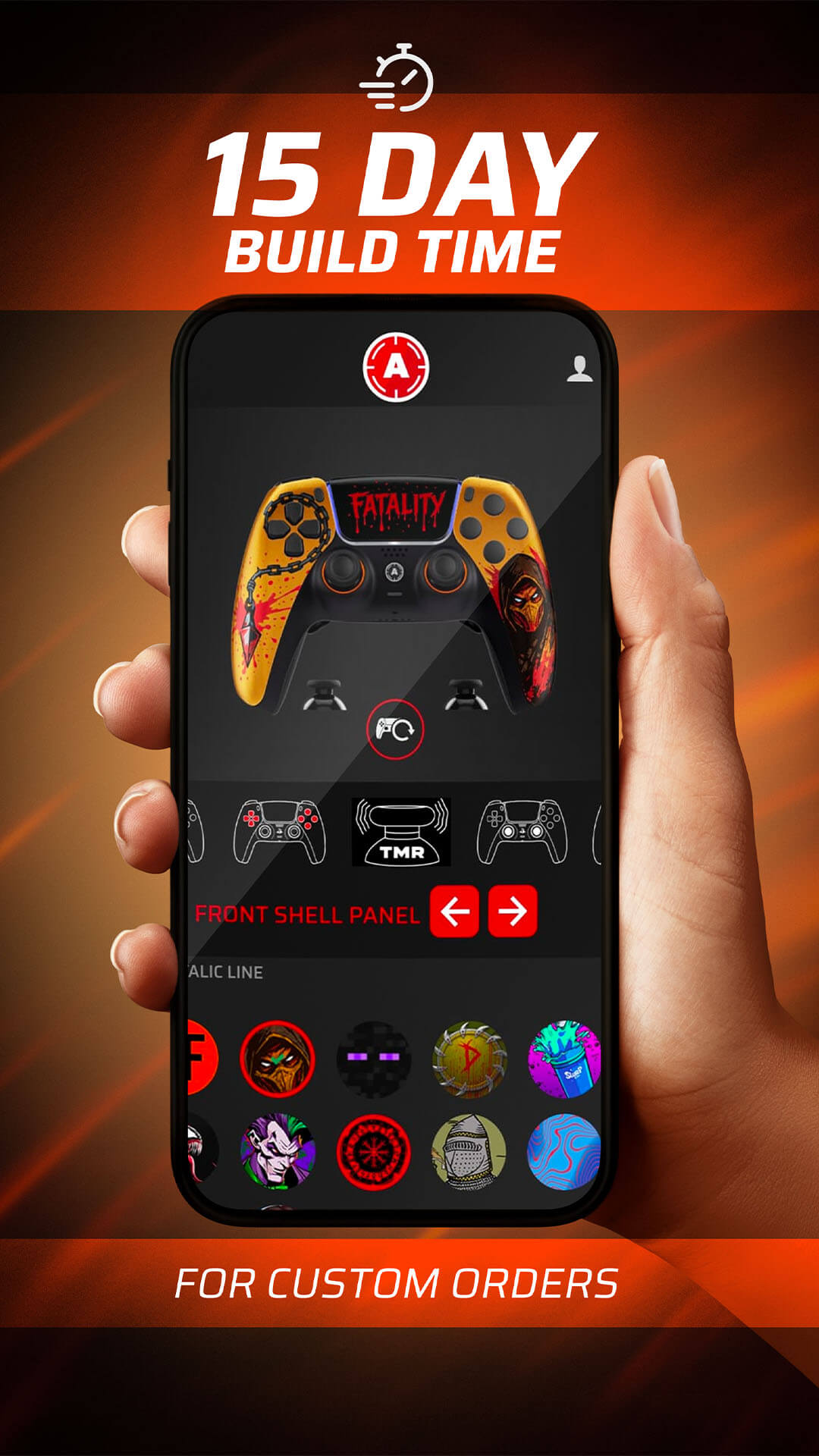
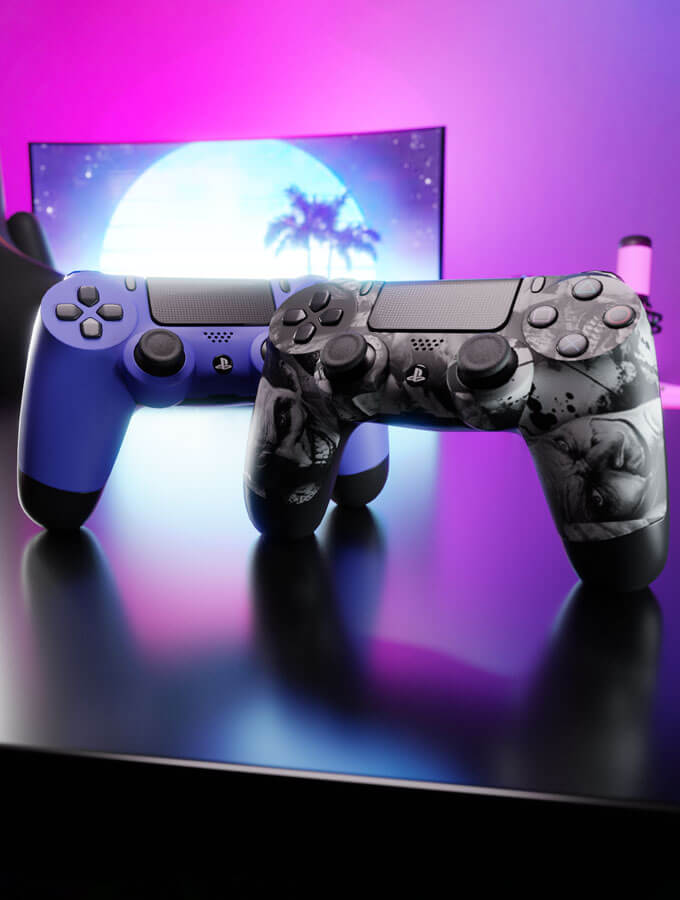
They say that looks do not matter. Maybe when it comes to company, but if you are spending a hefty amount of money on top quality hardware, you definitely want it to look good, be unique and pleasing to the eye. This is something that standard, monochrome controllers cannot offer you, as each successive model resembles the previous one in both appearance and functionality. So, for those who want something extra, we recommend taking a look at our range and buying a Customizable PlayStation Controller that reflects your individual style and taste! You can choose from dozens of ready-made designs and templates, or if you’re more creative, you can design your own device! Use our handy creator to create a Customizable PlayStation Controller with your own name, initials, photo or in the style of your favourite PlayStation game. With us, you can let yourself go wild and be sure of the best quality materials and workmanship!
The Best PlayStation Controllers only by AimControllers
If PlayStation gaming is not new to you and you can boast a solid track record, then surely you know that, beyond aesthetics, what counts when it comes to accessories such as the Customizable PlayStation or Xbox Controller is functionality, ergonomics and durability. Unfortunately, it is quite rare for the original, traditional accessories for this type of console to meet all these requirements. After all, manufacturers are only concerned with the most universal equipment, which will be bought by the largest possible group of people, and not on the individual gaming experience. Therefore, if quality is of paramount importance to you, do not pass up AimControllers’ offer indifferently! Because only here you can buy the equipment which perfectly suits your needs and possibilities! We give you the freedom to design your own Custom PlayStation Controller and make every function and button placement to suit your preferences, plus we guarantee the durability and performance of all components, as we use only the highest quality materials and technology. Because we know that everyone deserves the best performance and game comfort!